RISCTOX Database
Search and consult detailed information about specific chemical substances.
Search other substances
Identification
- Name:
- potassium dicyanoaurate
- Synonyms:
-
- AURATO(1-), bis (CIANO-C)-, POTASIO
- POTASIO DICIANOAURATO(I)
- MONOPOTASIO DICIANOAURATO
- POTASIO DICIANAURATO
- AURATO(1-), bis (CIANO-C)-, POTASIO (9CI)
- AURATO(1-), DICIANO-, POTASIO (8CI)
- POTASIO DICIANOAURATO
- CAS:
- 13967-50-5
- EC/EINECS:
- 237-748-4
- Molecular Formula:
- C2AuN2.K
Black list
Substances particularly hazardous to the environment or health
CLASSIFICATION AND LABELLING (Regulation 1272/2008)
Symbols
-
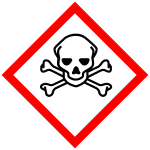
Acute toxicity (oral, dermal, inhalation)
-
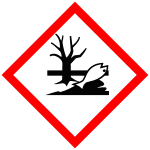
Hazardous to the aquatic environment
H Phrases
-
H330 : Fatal if inhaled
Acute Tox. (Cat. 2 *) : Acute toxicity
-
H310 : Fatal in contact with skin
Acute Tox. (Cat. 1) : Acute toxicity
-
H300 : Fatal if swallowed
Acute Tox. (Cat. 2 *) : Acute toxicity
-
H400 : Very toxic to aquatic life
Aquatic Acute (Cat. 1) : Hazardous to the aquatic environment
-
H410 : Very toxic to aquatic life with long lasting effects
Aquatic Chronic (Cat. 1) : Hazardous to the aquatic environment
Notes
- R.1272-Note A
Specific health risks
Specific environmental risks
Atmospheric emissions ?
Substances subject to atmospheric emission limitations under the Industrial Emissions Directive (2010/75/EU) and its Spanish transposition. Includes pollutants regulated in industrial installation emission permits and best available technique reference documents (BAT/BREF).
ListEnvironmental regulations
LPCIC (EPER)
Priority substances and specific pollutants within the EU water policy framework, established by the Water Framework Directive (2000/60/EC) and the Priority Substances Directive (2008/105/EC and amendments). Substances posing significant risk to European surface waters and subject to Environmental Quality Standards (EQS).
Restriction/prohibition regulations
Substances under evaluation. PACT ?
Substances under active regulatory monitoring through ECHA's PACT (Public Activities Coordination Tool). Allows tracking which regulatory authorities are examining a substance and what potential regulatory actions are being considered (restriction, SVHC identification, harmonised classification, etc.).