RISCTOX Database
Search and consult detailed information about specific chemical substances.
Search other substances
Identification
- Name:
- 5-nitro-o-toluidine
- Synonyms:
-
- colorante azoico
- 5-nitro-orto-toluidina
- CAS:
- 99-55-8
- EC/EINECS:
- 202-765-8
- Molecular Formula:
- C7H8N2O2
Black list
Substances particularly hazardous to the environment or health
CLASSIFICATION AND LABELLING (Regulation 1272/2008)
Symbols
-
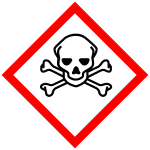
Acute toxicity (oral, dermal, inhalation)
-
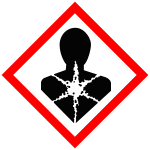
Respiratory sensitisation
H Phrases
-
H351 : Suspected of causing cancer
Carc. (Cat. 2) : Carcinogenicity
-
H331 : Toxic if inhaled
Acute Tox. (Cat. 3 *) : Acute toxicity
-
H311 : Toxic in contact with skin
Acute Tox. (Cat. 3 *) : Acute toxicity
-
H301 : Toxic if swallowed
Acute Tox. (Cat. 3 *) : Acute toxicity
-
H412 : Harmful to aquatic life with long lasting effects
Aquatic Chronic (Cat. 3) : Hazardous to the aquatic environment
Specific health risks
As per IARC ?
Substances classified by the International Agency for Research on Cancer (IARC/WHO) according to their evidence of carcinogenicity in humans. Groups range from 1 (proven human carcinogen) to 4 (probably not carcinogenic to humans). The IARC classification is an international reference in occupational and environmental health.
As per other sources
Carcinogens and mutagens (IARC) ?
Substances classified as carcinogens or mutagens Category 2 under the CLP Regulation (GHS), bearing H351 and/or H341 phrases. These are substances suspected of causing cancer or heritable genetic mutations in humans.
Specific environmental risks
Hazardous water substances (Germany) ?
Substances classified with chronic aquatic toxicity under the CLP Regulation (H410–H413 phrases, Aquatic Chronic categories 1 to 4). They pose a long-term hazard to aquatic organisms, even at low concentrations and through prolonged exposure.
Environmental regulations
Major accident hazards (Seveso) ?
Hazardous substances listed in Annex I of the Seveso III Directive (Directive 2012/18/EU), transposed in Spain by Royal Decree 840/2015. Their presence in industrial establishments in quantities equal to or above established thresholds triggers obligations to implement major accident risk control measures.
List