RISCTOX Database
Search and consult detailed information about specific chemical substances.
Search other substances
Identification
- Name:
- 1,1-dichloroethane
- CAS:
- 75-34-3
- EC/EINECS:
- 200-863-5
- Molecular Formula:
- C2H4Cl2
- International Chemical Safety Card (ICSC):
- 0249
- Uses:
- solvent
Black list
Substances particularly hazardous to the environment or health
CLASSIFICATION AND LABELLING (Regulation 1272/2008)
Symbols
-
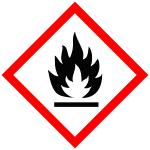
Flammable gases
-
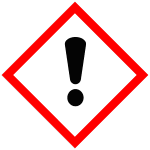
Acute toxicity (oral, dermal, inhalation
H Phrases
-
H225 : Highly flammable liquid and vapour
Flam. Liq. (Cat. 2) : Flammable liquid
-
H302 : Harmful if swallowed
Acute Tox. (Cat. 4 *) : Acute toxicity
-
H319 : Causes serious eye irritation
Eye Irrit. (Cat. 2) : Serious eye damage/eye irritation
-
H335 : May cause respiratory irritation
STOT SE (Cat. 3) : Specific target organ toxicity - single exposure
-
H412 : Harmful to aquatic life with long lasting effects
Aquatic Chronic (Cat. 3) : Hazardous to the aquatic environment
Labelling
| Concentration | Labelling |
|---|---|
| * |
Specific health risks
As per other sources
Carcinogens (other sources) ?
Substances classified as carcinogens or mutagens Category 3 under the Dangerous Preparations Directive criteria (pre-CLP). Substances with limited evidence or indications of carcinogenicity or mutagenicity.
Breast cancer ?
Substances classified with H362 phrase (may cause harm to breast-fed children). Toxic for reproduction due to effects on lactation or due to transmissibility through breast milk.
Occupational Exposure Limits (OEL) ?
Daily exposure limit values (VLA-ED) published by the Spanish National Institute of Safety and Health at Work (INSST). They represent the average concentration of a chemical agent in the worker's breathing zone, measured or calculated in a time-weighted manner for an 8-hour daily working period.
Specific environmental risks
Atmospheric emissions ?
Substances subject to atmospheric emission limitations under the Industrial Emissions Directive (2010/75/EU) and its Spanish transposition. Includes pollutants regulated in industrial installation emission permits and best available technique reference documents (BAT/BREF).
ListVolatile organic compounds ?
Volatile Organic Compounds (VOCs) regulated by Directive 1999/13/EC on the limitation of VOC emissions from certain activities, and by Royal Decrees 117/2003 and 227/2006. Substances contributing to tropospheric ozone formation that are subject to emission limits in industrial activities.
ListEnvironmental regulations
LPCIC (EPER)
Priority substances and specific pollutants within the EU water policy framework, established by the Water Framework Directive (2000/60/EC) and the Priority Substances Directive (2008/105/EC and amendments). Substances posing significant risk to European surface waters and subject to Environmental Quality Standards (EQS).
EPER Air ?
Substances from List 2 of Annex III of the IPPC Directive (integrated into the Industrial Emissions Directive 2010/75/EU). Pollutants that may affect surface and groundwater bodies and must be considered in the integrated environmental authorisation of industrial installations.
ListMajor accident hazards (Seveso) ?
Hazardous substances listed in Annex I of the Seveso III Directive (Directive 2012/18/EU), transposed in Spain by Royal Decree 840/2015. Their presence in industrial establishments in quantities equal to or above established thresholds triggers obligations to implement major accident risk control measures.
List