RISCTOX Database
Search and consult detailed information about specific chemical substances.
Search other substances
Identification
- Name:
- N,N-dimethylanilinium tetrakis(pentafluorophenyl)borate
- CAS:
- 118612-00-3
CLASSIFICATION AND LABELLING (Regulation 1272/2008)
Symbols
-
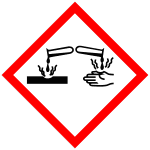
Corrosive to metals
-

Acute toxicity (oral, dermal, inhalation
-
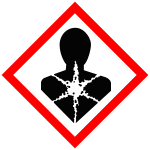
Respiratory sensitisation
H Phrases
-
H351 : Suspected of causing cancer
Carc. (Cat. 2) : Carcinogenicity
-
H302 : Harmful if swallowed
Acute Tox. (Cat. 4 *) : Acute toxicity
-
H315 : Causes skin irritation
Skin Irrit. (Cat. 2) : Skin corrosion/irritation
-
H318 : Causes serious eye damage
Eye Dam. (Cat. 1) : Serious eye damage/eye irritation
Specific health risks
Biological Exposure Indices (BEI) ?
Biological limit values (VLB) published by the Spanish National Institute of Safety and Health at Work (INSST). Reference values for assessing the risk of chemical agents by measuring them or their metabolites in biological matrices (blood, urine, exhaled air) of exposed workers.
Specific environmental risks
Atmospheric emissions ?
Substances subject to atmospheric emission limitations under the Industrial Emissions Directive (2010/75/EU) and its Spanish transposition. Includes pollutants regulated in industrial installation emission permits and best available technique reference documents (BAT/BREF).
ListEnvironmental regulations
LPCIC (EPER)
Priority substances and specific pollutants within the EU water policy framework, established by the Water Framework Directive (2000/60/EC) and the Priority Substances Directive (2008/105/EC and amendments). Substances posing significant risk to European surface waters and subject to Environmental Quality Standards (EQS).