RISCTOX Database
Search and consult detailed information about specific chemical substances.
Search other substances
Identification
- Name:
- 1-Naphthalenamine, N-phenyl-@N-1-naphthylaniline
- CAS:
- 90-30-2
- EC/EINECS:
- 201-983-0
- Molecular Formula:
- C16-H13-N
- International Chemical Safety Card (ICSC):
- 1113
Black list
Substances particularly hazardous to the environment or health
CLASSIFICATION AND LABELLING (Regulation 1272/2008)
Symbols
-
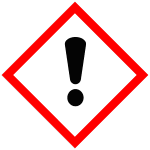
Acute toxicity (oral, dermal, inhalation
-
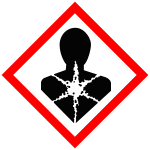
Respiratory sensitisation
H Phrases
-
H302 : Harmful if swallowed
Acute Tox. (Cat. 4) : Acute toxicity
-
H373 : May cause damage to organs through prolonged or repeated exposure
STOT RE (Cat. 2) : Specific target organ toxicity - repeated exposure
-
H317 : May cause an allergic skin reaction
Skin Sens. (Cat. 1) : Respiratory/skin sensitization
Labelling
| Concentration | Labelling |
|---|---|
| oral | ATE=1200 mg/kg bw' |
Specific health risks
Specific environmental risks
Hazardous water substances (Germany) ?
Substances classified with chronic aquatic toxicity under the CLP Regulation (H410–H413 phrases, Aquatic Chronic categories 1 to 4). They pose a long-term hazard to aquatic organisms, even at low concentrations and through prolonged exposure.
Restriction/prohibition regulations
REACH sensitisers ?
Substances identified as respiratory or skin sensitisers under the REACH Regulation. Includes substances that, without necessarily having a CLP classification, have been assessed by ECHA as potentially allergenic in occupational exposure contexts.
ListSubstances under CoRAP evaluation ?
Substances included in the Community Rolling Action Plan (CoRAP) of the REACH Regulation. These are substances selected for evaluation by EU Member States due to indications of risk to human health or the environment, with the aim of clarifying whether regulatory action is warranted.
Substances under PACT evaluation ?
Substances under active regulatory monitoring through ECHA's PACT (Public Activities Coordination Tool). Allows tracking which regulatory authorities are examining a substance and what potential regulatory actions are being considered (restriction, SVHC identification, harmonised classification, etc.).