RISCTOX Database
Search and consult detailed information about specific chemical substances.
Search other substances
Identification
- Name:
- 4-nitrophenol
- Synonyms:
-
- p-nitrofenol
- CAS:
- 100-02-7
- EC/EINECS:
- 202-811-7
- Molecular Formula:
- C6H5NO3
- International Chemical Safety Card (ICSC):
- 0066
- Uses:
- fungicide cutting fluid
Black list
Substances particularly hazardous to the environment or health
CLASSIFICATION AND LABELLING (Regulation 1272/2008)
Symbols
-
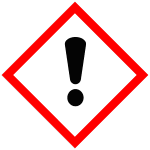
Acute toxicity (oral, dermal, inhalation
-
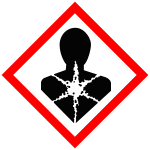
Respiratory sensitisation
H Phrases
-
H332 : Harmful if inhaled
Acute Tox. (Cat. 4 *) : Acute toxicity
-
H312 : Harmful in contact with skin
Acute Tox. (Cat. 4 *) : Acute toxicity
-
H302 : Harmful if swallowed
Acute Tox. (Cat. 4 *) : Acute toxicity
-
H373 ** : May cause damage to organs through prolonged or repeated exposure
STOT RE (Cat. 2 *) : Specific target organ toxicity - repeated exposure
Specific health risks
As per IARC ?
Substances classified by the International Agency for Research on Cancer (IARC/WHO) according to their evidence of carcinogenicity in humans. Groups range from 1 (proven human carcinogen) to 4 (probably not carcinogenic to humans). The IARC classification is an international reference in occupational and environmental health.
As per other sources
Environmental regulations
LPCIC (EPER)
Priority substances and specific pollutants within the EU water policy framework, established by the Water Framework Directive (2000/60/EC) and the Priority Substances Directive (2008/105/EC and amendments). Substances posing significant risk to European surface waters and subject to Environmental Quality Standards (EQS).
EPER Water ?
Substances from List 1 of Annex III of the IPPC Directive (integrated into the Industrial Emissions Directive 2010/75/EU). Atmospheric pollutants —including SO₂, NOx, heavy metals and organic compounds— that must be taken into account when setting emission limit values for IPPC installations.