
RISCTOX Database
Search and consult detailed information about specific chemical substances.
Search other substances
Identification
- Name:
- (1-methyl-1,2-ethanediyl)bis[oxy(methyl-2,1-ethanediyl)] diacrylate
- Name (English):
- (1-methyl-1,2-ethanediyl)bis[oxy(methyl-2,1-ethanediyl)] diacrylate
- Synonyms:
-
- DIACRILATO DE (1-METIL-1,2-ETANODIIL)bis(OXI)METIL-2,1-ETANODIILO
- CAS:
- 42978-66-5
- EC/EINECS:
- 256-032-2
- Molecular Formula:
- C15H24O6
Black list
Substances particularly hazardous to the environment or health
CLASSIFICATION AND LABELLING (Regulation 1272/2008)
Symbols
-
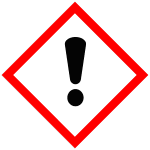
Acute toxicity (oral, dermal, inhalation
-
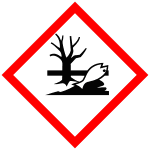
Hazardous to the aquatic environment
Signal word
WarningH Phrases
-
H319 : Causes serious eye irritation
Eye Irrit. (Cat. 2) : Serious eye damage/eye irritation
-
H335 : May cause respiratory irritation
STOT SE (Cat. 3) : Specific target organ toxicity - single exposure
-
H315 : Causes skin irritation
Skin Irrit. (Cat. 2) : Skin corrosion/irritation
-
H317 : May cause an allergic skin reaction
Skin Sens. (Cat. 1) : Respiratory/skin sensitization
-
H411 : Toxic to aquatic life with long lasting effects
Aquatic Chronic (Cat. 2) : Hazardous to the aquatic environment
Labelling
| Concentration | Labelling |
|---|---|
| C >= 10 % | Xi; R36/37/38 |
| C >= 10 % | STOT única, 3; H335 |
Specific health risks
Restriction/prohibition regulations
REACH sensitisers ?
Substances identified as respiratory or skin sensitisers under the REACH Regulation. Includes substances that, without necessarily having a CLP classification, have been assessed by ECHA as potentially allergenic in occupational exposure contexts.
ListMajor accident hazards (Seveso) ?
Hazardous substances listed in Annex I of the Seveso III Directive (Directive 2012/18/EU), transposed in Spain by Royal Decree 840/2015. Their presence in industrial establishments in quantities equal to or above established thresholds triggers obligations to implement major accident risk control measures.
ListSubstances under PACT evaluation ?
Substances under active regulatory monitoring through ECHA's PACT (Public Activities Coordination Tool). Allows tracking which regulatory authorities are examining a substance and what potential regulatory actions are being considered (restriction, SVHC identification, harmonised classification, etc.).