

RISCTOX Database
Search and consult detailed information about specific chemical substances.
Search other substances
Identification
- Name:
- ozone
- CAS:
- 10028-15-6
- EC/EINECS:
- 233-069-2
- Molecular Formula:
- O3
- International Chemical Safety Card (ICSC):
- 0068
- Uses:
- decolorizing agent bleaching agent disinfectant cleaner deodorant microbiocidal water treatment
Black list
Substances particularly hazardous to the environment or health
CLASSIFICATION AND LABELLING (Regulation 1272/2008)
Symbols
-
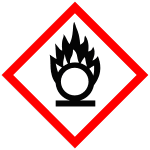
Oxidising gases
-
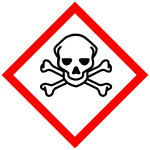
Acute toxicity (oral, dermal, inhalation)
-
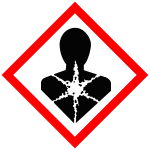
Respiratory sensitisation
-
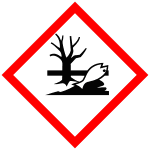
Hazardous to the aquatic environment
H Phrases
-
H270 : May cause or intensify fire; oxidizer
Ox. Gas,1
-
H351 : Suspected of causing cancer
Carc. (Cat. 2) : Carcinogenicity
-
H341 : Suspected of causing genetic defects
Muta. (Cat. 2) : Germ cell mutagenicity
-
H330 : Fatal if inhaled
Acute Tox. (Cat. 1) : Acute toxicity
-
H370 : Causes damage to organs
STOT SE (Cat. 1) : Specific target organ toxicity - single exposure
-
H372 : Causes damage to organs through prolonged or repeated exposure
STOT repe.,1
-
H400 : Very toxic to aquatic life
Aquatic Acute (Cat. 1) : Hazardous to the aquatic environment
-
H410 : Very toxic to aquatic life with long lasting effects
Acuático crónico, 1
Labelling
| Concentration | Labelling |
|---|---|
| Inhalation | ATE=10 ppmV |
| STOT SE 1; H370 | C≥0,002% |
| STOT SE 2; H371 | 0.0005%≤C<0.002% |
| STOT RE 1; H372 | C≥0,05% |
| STOT RE 2; H373 | 0.01%≤C<0.05% |
| M=100 | |
| M=1 |
Specific health risks
Occupational Exposure Limits (OEL) ?
Daily exposure limit values (VLA-ED) published by the Spanish National Institute of Safety and Health at Work (INSST). They represent the average concentration of a chemical agent in the worker's breathing zone, measured or calculated in a time-weighted manner for an 8-hour daily working period. (https://www.insst.es/valores-limites-de-exposicion)
Specific environmental risks
Restriction/prohibition regulations
Substances under PACT evaluation ?
Substances under active regulatory monitoring through ECHA's PACT (Public Activities Coordination Tool). Allows tracking which regulatory authorities are examining a substance and what potential regulatory actions are being considered (restriction, SVHC identification, harmonised classification, etc.).