RISCTOX Database
Search and consult detailed information about specific chemical substances.
Search other substances
Identification
- Name:
- ammonium bromide
- CAS:
- 12124-97-9
- EC/EINECS:
- 235-183-8
- Molecular Formula:
- BrH4N
- Uses:
- pesticide
CLASSIFICATION AND LABELLING (Regulation 1272/2008)
Symbols
-

Acute toxicity (oral, dermal, inhalation
-
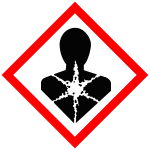
Respiratory sensitisation
H Phrases
-
H360FD : May damage fertility. Suspected of damaging the unborn child.
Repr. (Cat. 1B) : Reproductive toxicity
-
H362 : May cause harm to breast-fed children
Lact. : Reproductive toxicity
-
H372 : Causes damage to organs through prolonged or repeated exposure
STOT RE (Cat. 1) : Specific target organ toxicity - repeated exposure
-
H336 : May cause drowsiness or dizziness
STOT SE (Cat. 3) : Specific target organ toxicity - single exposure
-
H319 : Causes serious eye irritation
Eye Irrit. (Cat. 2) : Serious eye damage/eye irritation
Specific health risks
Specific environmental risks
Hazardous water substances (Germany) ?
Substances classified with chronic aquatic toxicity under the CLP Regulation (H410–H413 phrases, Aquatic Chronic categories 1 to 4). They pose a long-term hazard to aquatic organisms, even at low concentrations and through prolonged exposure.
Restriction/prohibition regulations
Banned biocides ?
Active substances whose approval for biocidal use has been denied or not renewed under Regulation (EU) No 528/2012 on biocidal products. They may not be placed on the market or used as active substances in biocidal products in the European Union.
Substances under PACT evaluation ?
Substances under active regulatory monitoring through ECHA's PACT (Public Activities Coordination Tool). Allows tracking which regulatory authorities are examining a substance and what potential regulatory actions are being considered (restriction, SVHC identification, harmonised classification, etc.).